


Researcher Aly Courtemanch starts her work day on skis. That’s how she gets around on the alpine terrain where she studies the Teton Range bighorn sheep herd. Using GPS devices and trail counters, Courtemanch a scientist at the Cooperative Fish & Wildlife Research Unit at the University of Wyoming, tracks the movemnts of both sheep and skiers.
“We really want to get a better sense of how bighorn sheep survive in the Tetons, both summer and winter,” she said. “We don’t know very much about this bighorn sheep herd, it’s really small and really hard to study because they’re so remote and hard to observe.”
While other wild sheep move down to more moderate terrain, this herd winteres at some of the highest elevations in Wyoming. But they’ve stopped migrating about 60 years ago due to human development, firs suppression and other factors. In this edition of This American Land researchers take a look at this species on the brink of extinction. Read the rest of this entry »
In 1971 John Francis witnessed a catastrophic oil spill in San Francisco Bay. The greasy black sludge that coated resident sea life and stained nearby beaches left an indelible impression him as well. As a young man at the dawn of the environmental movement he felt compelled to act. But what can one person do to change a society bent on its own destruction?
Left with little do that would make a difference in world Francis abandoned all forms of motorized transport. He started walking. But still hoping to make an impact on his community and himself Francis took his devotion a step future and swore a vow of silence. For 17 years he did not utter a word. And yet he still managed to earn college and graduate degrees in science and environmental studies.
Dr. John Francis went on to become the United Nation’s goodwill ambassador to the world’s grassroots communities and the U.S. Government hired him to help establish policies for the management of oil spills. Read the rest of this entry »
The street may have thawed but your bike chain is frozen solid! On that last cold ride of the fall maybe you put your ride away wet. Or maybe you’ve got an old bike you’re restoring. But turn the crank and you’ll find that your chain is a rusty, crusty mass of immobile iron links.
If you’ve ever wondered what it would be like to run in a low gravity environment, there’s spot in Madison where you can do just that. The Sport & Spine Clinic, a rehabilitative therapy center at 340 S. Whitney Way, recently acquired an Alter-G anti-gravity treadmill.
“I’d been hoping to work with low gravity for my patients for a while now,” said clinic director David Nissenbaum. “I’d wanted a pool. But of course I don’t have room for a pool here. The Alter-G is the next best thing, maybe even better.”
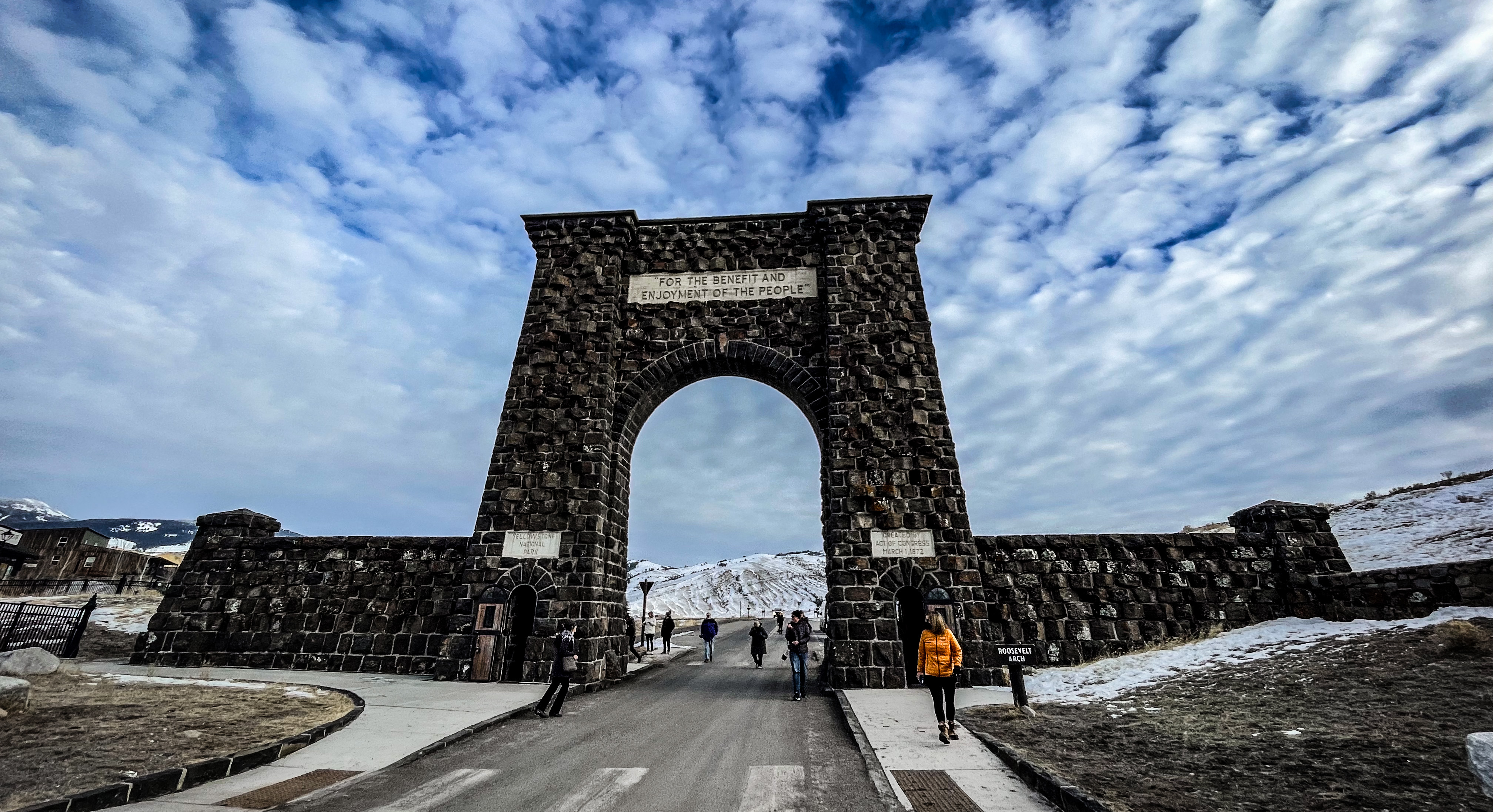
Yellowstone National Park has been described as a winter wonderland.
“We find that a lot of people from across the United States enjoy going into the park on snowmobiles, because … you’re out in the fresh air,” said Bill Howell, part owner of a local snowmobile and snowcoach tour company. “You get to see things on a snowmobile. With your guide you can stop and take pictures.”
But conservation groups have been seeking to ban snowmobiles here for more than a decade. Even snowmobile enthusiasts now admit the machines became a problem in 1990s.
“The amount of machines and the amount of people going into the park skyrocketed, a lot more than I think anybody had ever predicted or thought would happen,’ Howell said. “And as a result it probably did get a little out of hand.”
In this edition of This American Land we take a look at efforts to create a balance between the use of snowmobiles in Yellowstone and those who aim to limit motorized access to the park. Read the rest of this entry »
Eight-year-old Savanna Lee is discovering wonderful things about the world around her. “I learned that there’s a whole bunch of stuff under the water,” she said, “things like bugs and beetles, not just fish. It’s exciting!”
A student at Glendale Elementary School in Madison, Savanna is among many local children that benefit from an environmental education program offered by the Aldo Leopold Nature Center. Every Monday afternoon for ten weeks of the year Savanna and her classmates explore nearby forests, streams and marshlands. Called Nature Nuts, the course creates safe and enjoyable outdoor experiences for area youth whose families cannot afford traditional after-school activities. Read the rest of this entry »
Last year the only known wild jaguar in the United States was captured in a trap and euthanized by Arizona Wildlife authorities. The death of this big cat, called Macho-B, triggered a federal investigation that found violations of the procedures that are meant to protect endangered species.
But at the heart of this case are a number of federal wildlife protections that were tossed out in favor of the “Secure Fence Act.” In this edition of the This American Land we take look at the ecological impact of a 600-mile barrier along the Mexican boarder. Ostensibly to keep immigrants from illegally entering the U.S. this border fence is also preventing the migration of several animal species.
“Our jaguars here depend on a source population in Mexico that are dispersing up to the United States looking for habitat, looking for mates, looking to establish new territories,” said Randy Serraglio of the Center for Biological Diversity. “And if they can’t get through that border wall, they’re not gonna come here.” Read the rest of this entry »
For more than a year now it’s been my pleasure to bring you the stories behind the selfless causes of people trying to make the world a better place. The mission of the Joy Trip Project is to explore the lives of those who blend their passion for adventure with their desire to work for the benefit of others or toward the preservation of life on our planet. In my own way I hope that I have contributed to the success of their causes by bringing them to your attention and encouraging you to participate. So in the spirit of that mission I’m pleased to announce a new Joy Trip Project initiative.
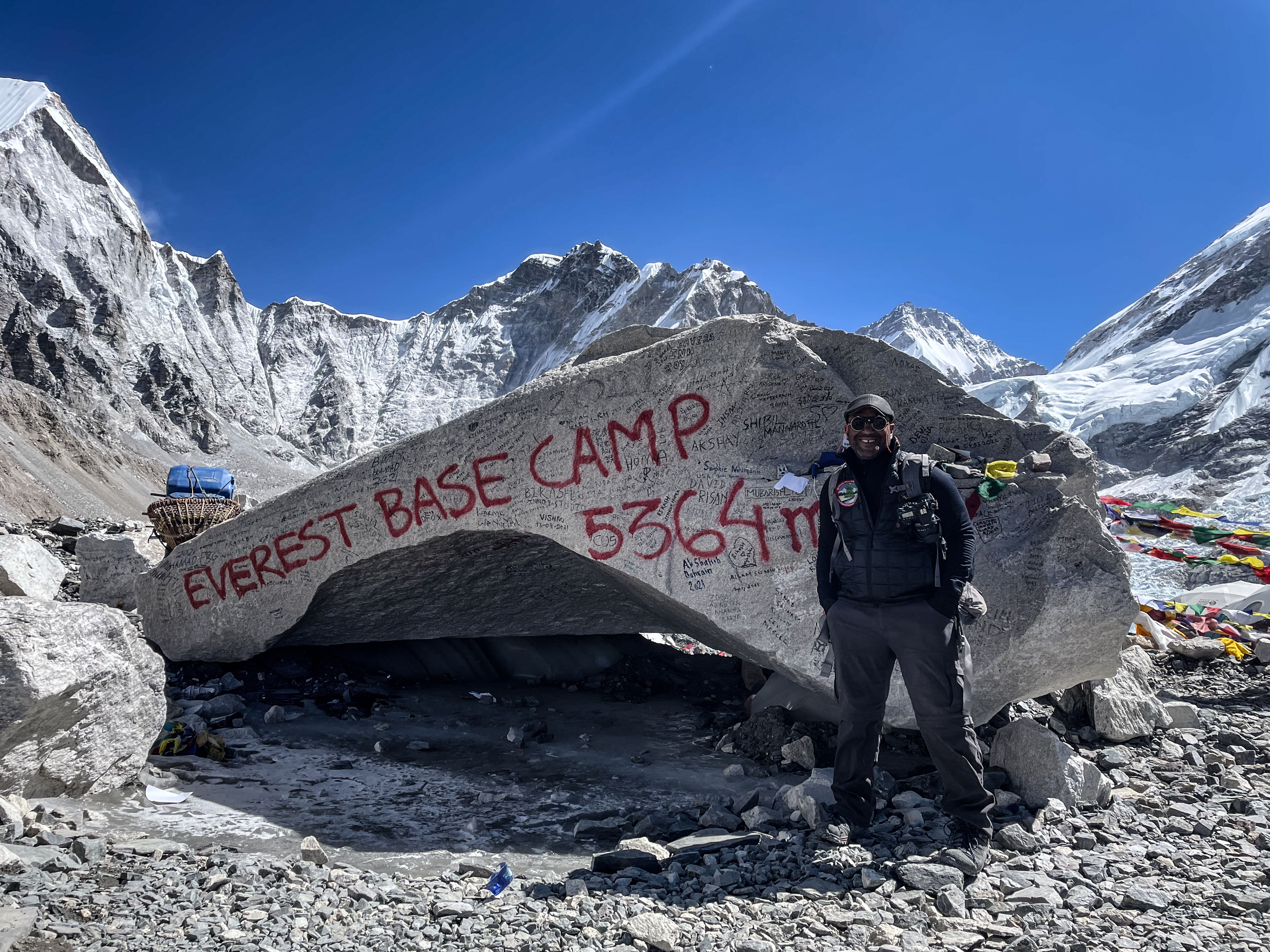
On August 29, 2010 I will join a small group of climbers to ascend the summit of Mount Fuji in Japan. Organized by the non-profit Love Hope Strength this event aims to raise money and awareness for the fight against cancer. Fuji Rocks! is the lasted in a series of climbs that feature a base-camp live music concert along with a drive to register new bone marrow donors to the national database of those willing to help a leukemia patient in need of a bone marrow transplant. It is my plan that with your help over the next five months The Joy Trip Project will raise $6,000 to $10,000 for this cause and register at least 1,000 new donors.
An interview with Love Hope Strength executive director Shannon Foley
A couple of weeks ago I got an email from my friend Maitri. A friend of hers was in serious trouble and she wanted my help.
“I’d seen her the day before and everything was fine. And she said, ‘I think my husband has leukemia‘.” Maitri said. “And they’ve checked him into the UW cancer ward.”
Here in Madison the University of Wisconsin is home to one of top research facilities in the county the Carbone Cancer Center. With very little notice Maitri’s friend was immediately admitted to the affiliated community hospital.
“I was most surprised with how quickly it happened and how urgently the medical profession had to respond,” Maitri said. “Sunday I was at church with her. She went home after church. Her husband said ‘I have some pain in my legs. I think I’ll go to the doctor tomorrow.’ And she said ‘Let’s give the nurse on call a quick phone call and just make sure this is fine.’ The nurse said you need to go to the emergency room now. We went and they were ready to check him into the hospital that afternoon. So one minute fine, leg cramp, next minute checked into the UW Hospital ward.”
Drilling on public land supplies 27 percent of the nation’s natural gas. But producing this relatively cheap, clean burning fuel comes at a cost.
“We’re having traditions disrupted,” said Steve Belinda, of the Theodore Roosevelt Conservation Partnership. “Places where extended families would spend two weeks hunting and camping together, all of the sudden they show up and they’re in the middle of some energy development with big trucks and noise and tons of roads.”
This edition of Assignment Earth takes a look at new regulations enacted by the Obama administration that require an environmental impact report to be filed in advance of drilling on public land.
Question: Should the recreational use and preservation of public land supercede oil and gas drilling that could speed the recovery of our economy and reduce our dependence on foreign sources of energy? Read the rest of this entry »